
Getting Comfortable With CPAP: Small Steps That Make a Big Difference
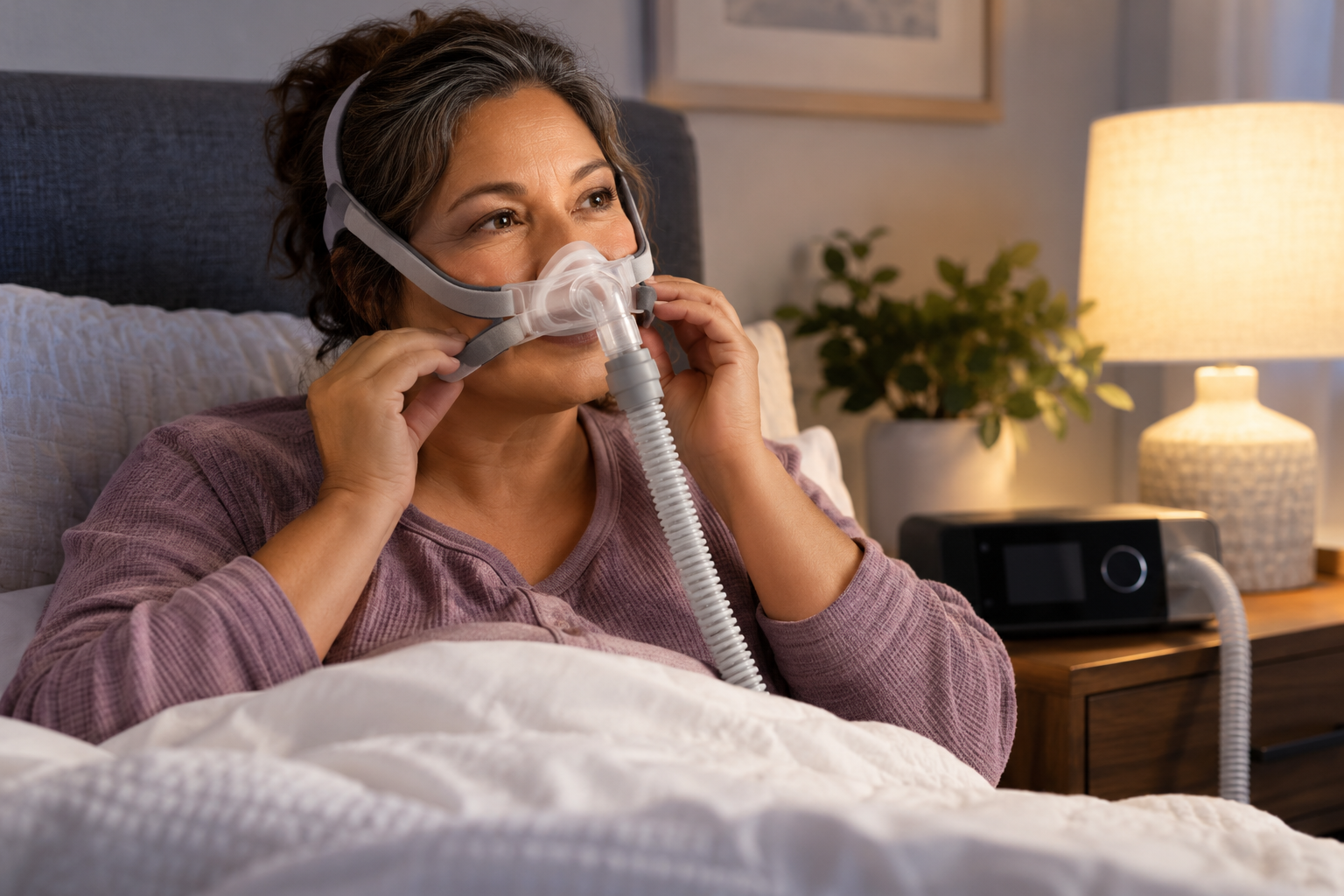
Starting CPAP therapy is an important step toward better sleep and better health. But like anything new, it can take some time to get used to. If your CPAP mask feels strange at first, you have trouble falling asleep with it, or you wake up and discover that you took it off during the night, don’t be discouraged. These experiences can happen while you’re adjusting. The goal isn’t perfection on the first night. The goal is to keep practicing. Each night gives your body another opportunity to become more comfortable with CPAP.
Give Yourself Time to Adjust
Sleeping with a mask and airflow is a new experience. Even if your mask fits well and your CPAP is working exactly as intended, your brain may need some time to accept this new bedtime routine. Think of CPAP as a new habit. At first, you may be very aware of the mask and airflow. With consistent use, many people find that CPAP gradually becomes a normal part of going to sleep. Here are some ways to make that adjustment easier.
Practice Before Bed
You don’t have to wait until bedtime to put on your mask. Try wearing your mask for a little while during the day when you’re relaxed. You might wear it while reading, watching TV, or listening to music. If appropriate for your device and treatment plan, practice with the CPAP running so you can become familiar with the airflow as well. This gives you an opportunity to get comfortable with the sensation without also putting pressure on yourself to fall asleep.
Use Your CPAP for Naps, Too
If you take a nap, use your CPAP. Not only does this help you receive your prescribed therapy while you sleep, but it also gives you additional practice. The more consistently CPAP becomes associated with sleep, the more natural the routine may begin to feel.
If You Take Your Mask Off, Put It Back On
You may wake up during the night and realize your mask is sitting beside you instead of on your face. That doesn’t mean you failed. Simply put it back on and continue using it. Even if there are only a few hours—or a short amount of time—left before you need to wake up, getting back into the habit of replacing the mask is worthwhile.
A difficult night doesn’t have to become a lost night.
Use CPAP Every Time You Sleep
Consistency can make adjusting easier. Try to use your CPAP every night and whenever you sleep, following the treatment plan provided by your healthcare team. Skipping several nights because CPAP feels unfamiliar can make it harder to establish the habit. Instead, focus on continuing to practice while addressing whatever is making therapy uncomfortable.
Make the Mask Part of Your Bedtime Routine
Creating a predictable routine can help your brain associate CPAP with sleep. For example, you might brush your teeth, wash your face, fill your humidifier if needed, put on your mask, turn on your CPAP, and then settle into bed. After repeating the same routine night after night, putting on your mask can start to feel like any other part of getting ready for sleep.
Don’t Overtighten Your Mask
If you notice air leaking around your mask, your first instinct may be to tighten the straps. Tighter isn't always better. A mask that is too tight can become uncomfortable and may cause pressure or irritation. If you are experiencing persistent leaks or discomfort, your mask may need to be adjusted or you may need help determining whether a different mask size or style would work better for you. Your CPAP should be something you can comfortably use—not something you have to endure.
Address Problems Early
If something is making CPAP difficult, don’t assume you simply have to live with it. Common concerns can include:
Mask leaks or an uncomfortable mask
Dry mouth, nose, or throat
Nasal congestion
Difficulty getting used to the airflow
Skin irritation or pressure points
Feeling uncomfortable or anxious while wearing the mask
Trouble keeping the mask on throughout the night
Many CPAP challenges can be improved with troubleshooting, equipment adjustments, or guidance from your care team. Contact BetterNight if you are having difficulty with your therapy rather than giving up on it.
Keep Your Equipment Clean
A clean mask can be more pleasant to wear and may help maintain a good seal. Follow the cleaning and replacement instructions provided with your equipment, including guidance for your mask, cushion, tubing, humidifier chamber, and filters. Making equipment care part of your routine can also help CPAP become an ordinary part of your day rather than an extra chore.
Notice the Small Wins
Try not to judge your progress by a single night. Maybe you wore your CPAP an hour longer than the night before. Maybe you remembered to put your mask back on after waking up. Maybe you fell asleep with it more easily. Or perhaps you simply decided to try again after a frustrating night.
Those are all signs of progress.
Instead of asking yourself, “Did I do this perfectly?” try asking, “Am I getting a little more comfortable with this?”
Remember Why You Started
CPAP therapy is prescribed to treat obstructive sleep apnea and keep your airway open while you sleep. Using your therapy consistently is an investment in your sleep and your overall health. On nights when CPAP feels frustrating, remind yourself why you’re doing it. Your reason might be having more energy for your family, feeling better during the day, protecting your health, or simply getting the restful sleep your body needs. Whatever your reason is, keep it in mind.
You Don’t Have to Figure It Out Alone
Getting used to CPAP can take patience, and needing help does not mean the therapy isn't working for you. If something feels wrong, uncomfortable, or difficult, reach out to BetterNight. Sometimes a small adjustment can make a big difference.
Keep putting the mask on. Keep practicing. Keep giving yourself another night to adjust.
You’ve already taken an important step by beginning your therapy. Now the goal is simply to keep going—one night at a time.